
Solving Flat Roof Drainage and Ponding Problems
Owning a property with a flat or low-slope roof comes with its own unique set of maintenance responsibilities, especially when navigating the unpredictable Lake Erie weather we experience here in Cleveland. While these roof designs offer excellent space utilization and a sleek aesthetic, they are highly susceptible to one major enemy: standing water.
In the roofing industry, we refer to this as ponding. Ponding occurs when water remains on a roof surface for more than 48 hours after a rainstorm. If you have ever climbed up to check your property after a heavy downpour and noticed large puddles that refuse to evaporate or drain, you are looking at a serious structural threat. Over time, the immense weight of this standing water can cause the roof deck to sag, accelerating deterioration and ultimately leading to invasive interior leaks.
At Burton Roofing & Siding Company, we frequently consult with property owners who are frustrated by these recurring drainage issues. We understand that navigating the logistics of property upgrades can be stressful, particularly given the short, highly active construction season before winter sets in. Upgrading or repairing your flat roof requires a proactive approach to ensure water is swiftly and efficiently directed off the building, protecting your investment for decades to come.
Understanding the Root Causes of Standing Water
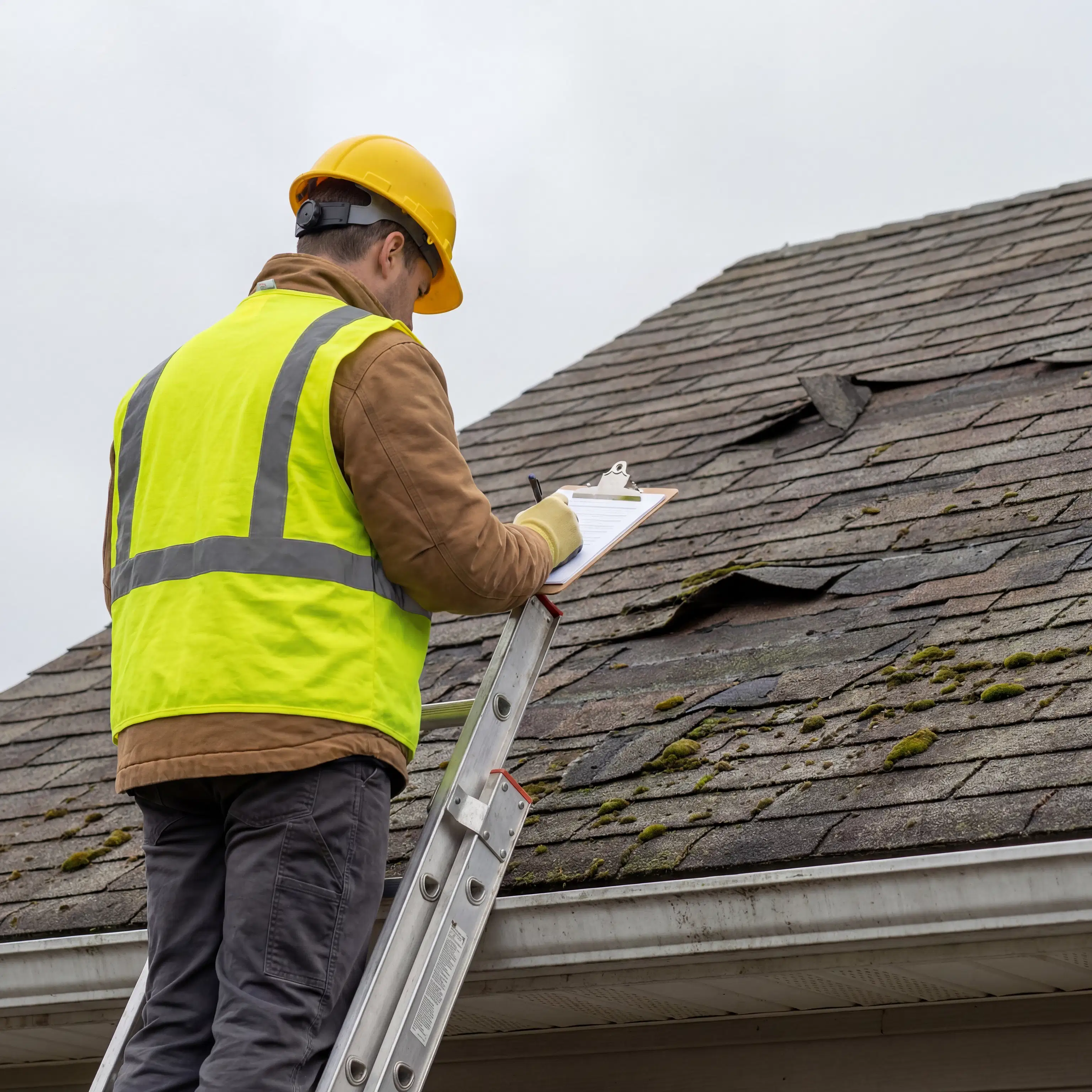
If you want to know how to fix standing water on flat roof surfaces, you first need to understand why it accumulates in the first place. Despite the name, a properly designed flat roof is never perfectly flat. It must have a slight pitch to encourage water to flow toward the drainage systems. When this system fails, the resulting ponding is usually due to a few common culprits.
First, structural settling over the lifespan of a building can alter the original pitch of the roof. Even a shift of a fraction of an inch can create a low spot where water naturally gathers. Secondly, blocked or inadequate drainage systems are frequent offenders. In our region, autumn leaves, twigs, and debris can easily clog the spouting and internal drains, acting as a dam that forces water to pool on the membrane.
Our harsh winters introduce another layer of complexity. The intense freeze-thaw cycle we experience on the North Coast means that pooled water freezes into heavy ice blocks, expands, and then melts again. This constant shifting creates incredible stress on the roofing materials, often leading to structural fatigue. One of the most common signs of this stress is identifying flat roof seam separation, where the overlapping edges of the roofing membrane begin to pull apart. Catching these separations early through routine roof maintenance is crucial. By the time a seam fully splits, moisture has likely already compromised the underlying insulation, turning a simple patch job into a much larger restoration project.
Effective Solutions to Eliminate Ponding
Fortunately, advancements in roofing technology and materials offer highly effective flat roof positive drainage slope solutions to eliminate ponding for good. Rather than just patching the immediate leak, a reputable contractor will look at the entire drainage ecosystem of your property.
One of the most reliable methods to correct poor drainage is the installation of tapered insulation. Instead of using flat insulation boards under the roofing membrane, installers use boards cut at varying angles. When fitted together, they create a subtle, customized slope across the entire surface of the roof. This ensures that gravity naturally carries every drop of rainwater directly toward the spouting and scuppers, completely removing the opportunity for water to pool.
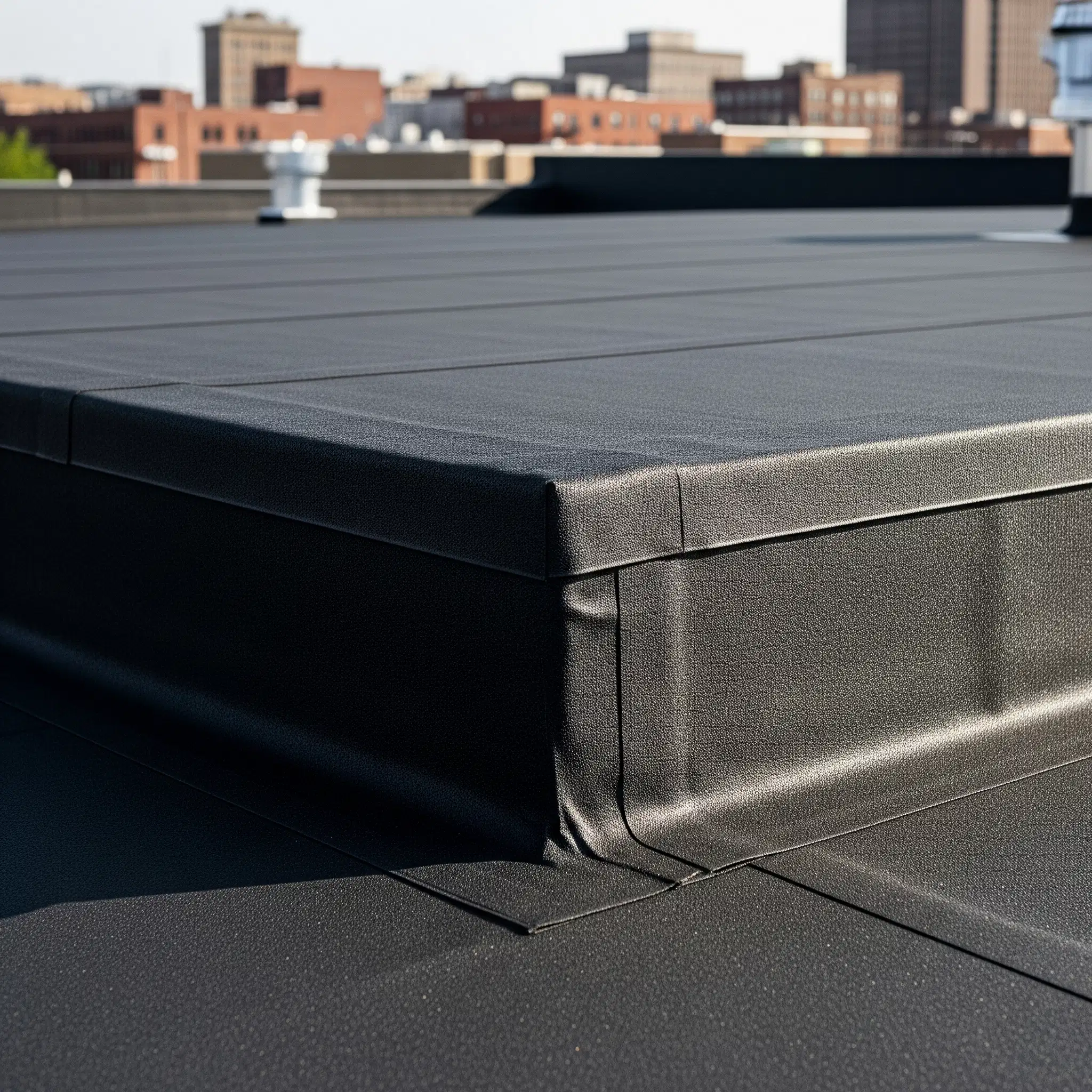
Pairing a corrected slope with the right membrane is just as important. The benefits of EPDM rubber roof membrane installations are well documented for low-slope properties. EPDM, or ethylene propylene diene terpolymer, is an extremely durable synthetic rubber roofing membrane widely used in the industry. It is highly resistant to extreme temperatures, UV radiation, and the heavy impact of hail. Because it remains flexible even in freezing temperatures, it shifts with the building during our dramatic weather swings without cracking or tearing. Upgrading to an EPDM rubber roofing system provides a seamless, waterproof barrier that significantly outlasts older built-up roofing methods.
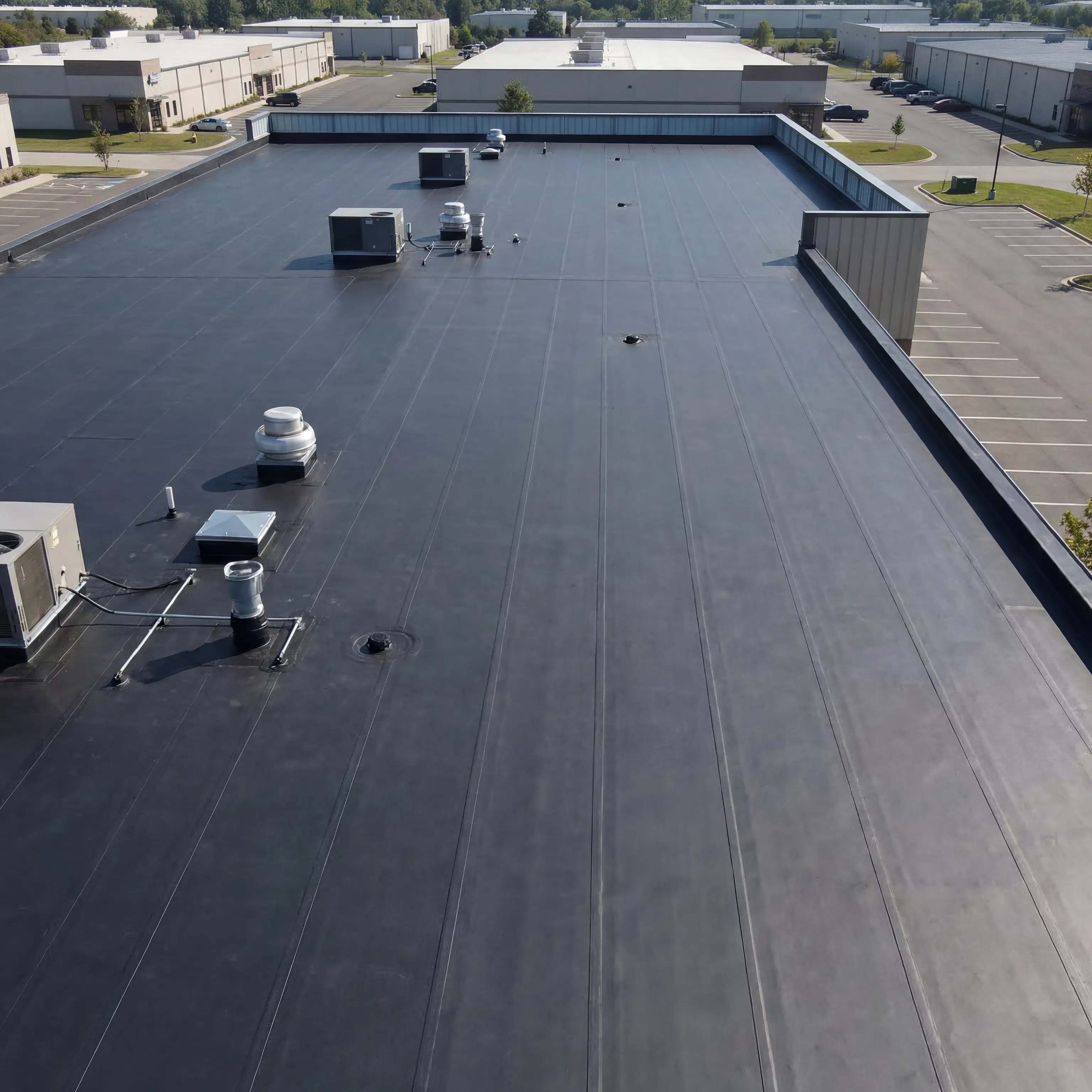
Furthermore, modern diagnostic tools have revolutionized how we approach these upgrades. We utilize advanced, non-invasive drone technology to conduct aerial roof inspections. This allows us to accurately map out drainage issues, measure surface areas, and provide transparent, detailed estimates without causing any unnecessary foot traffic damage to your existing roof.
Long-Term Value and Next Steps
Your roof is a critical investment that protects everything beneath it. Addressing ponding water shouldn't just be a quick, temporary fix; it should be a comprehensive upgrade that adds lasting value and peace of mind to your property. By correcting the structural slope and utilizing highly durable materials, you can bypass the stress of constant patching and interior water damage.
At Burton Roofing & Siding Company, we differentiate ourselves through transparent and fair pricing, ensuring you know exactly what you are paying for with no hidden fees. We firmly believe that high-quality workmanship is the foundation of any lasting roof, which is why our projects are delivered by experienced Amish crews who treat every installation with unparalleled attention to detail.
If you have noticed standing water on your property and want an honest, professional assessment, do not wait until the next heavy storm forces your hand. For homeowners and business owners across Cuyahoga County, our team is ready to help you navigate your roofing needs with reliable solutions built to last. Please contact us today to schedule a comprehensive inspection and learn more about how we can restore proper drainage to your property.