
Protecting Your Investment: A Cleveland Business Owner's Guide to Flat Roof Maintenance
As a business owner or property manager in Cleveland, you know that your commercial building is one of your most significant assets. Its roof, particularly a flat or low-slope roof, is the first line of defense against everything our unpredictable Ohio weather throws at it. From heavy lake effect snow and damaging ice dams to intense summer sun and torrential downpours, your roof endures a constant barrage. Ignoring it isn't an option—a minor issue can quickly escalate into a major operational disruption, costing you far more than just the price of a repair.
This guide will walk you through the essentials of commercial flat roof maintenance. We'll explore why a proactive approach is crucial for any Clevelander with a commercial property, what a professional inspection should cover, and how a tailored maintenance plan can save you money and protect your investment for years to come.
Why Proactive Maintenance is Non-Negotiable for Our Climate
On the North Coast, a "set it and forget it" approach to your commercial roof is a recipe for disaster. The unique weather patterns here create a high-stakes environment where preventative care is non-negotiable. A small, undetected puncture or a clogged drain can lead to catastrophic failures, resulting in damaged inventory, costly downtime, and potential safety hazards for employees and customers.
Consider the seasonal threats:
- Winter's Fury: The sheer weight of heavy lake effect snow can stress your building's structure. Worse, the constant freeze-thaw cycles can turn tiny cracks in the roofing membrane into significant breaches. Ice dams can form around drains and edges, preventing proper drainage and forcing water into the building.
- Spring & Summer Storms: Heavy spring rains can quickly overwhelm a poorly maintained drainage system, leading to ponding water. This standing water adds immense weight and accelerates the deterioration of roofing materials. Then comes the summer sun, whose intense UV rays can degrade and weaken the roof's membrane over time.
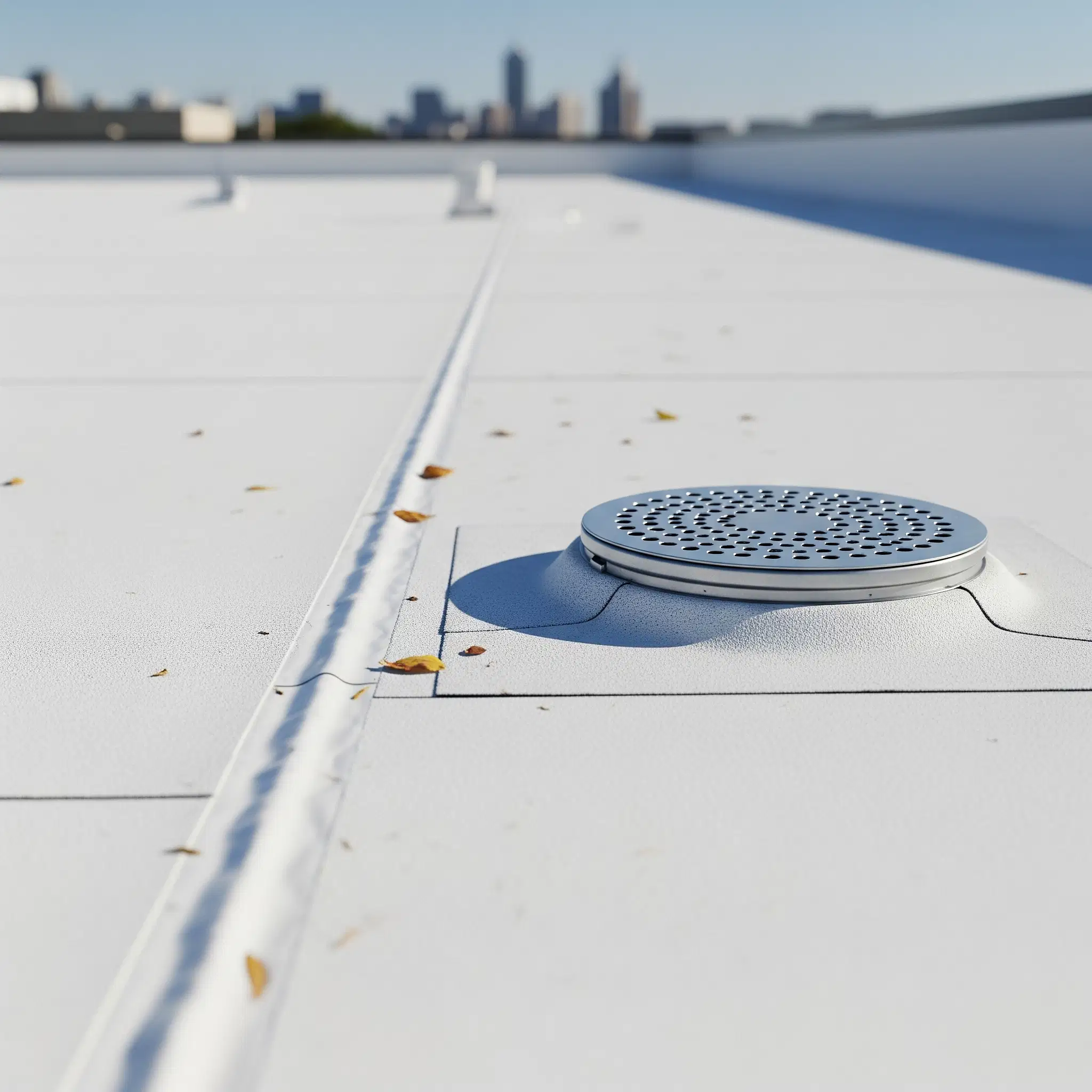
- Autumn Debris: Falling leaves, twigs, and other debris can clog scuppers, gutters, and internal drains. A single clogged drain can cause water to pool across a vast section of your roof, creating the perfect conditions for a leak.
Proactive maintenance is the most effective way to mitigate these risks, ensuring your business operations continue uninterrupted, season after season.
The Anatomy of a Professional Roof Inspection
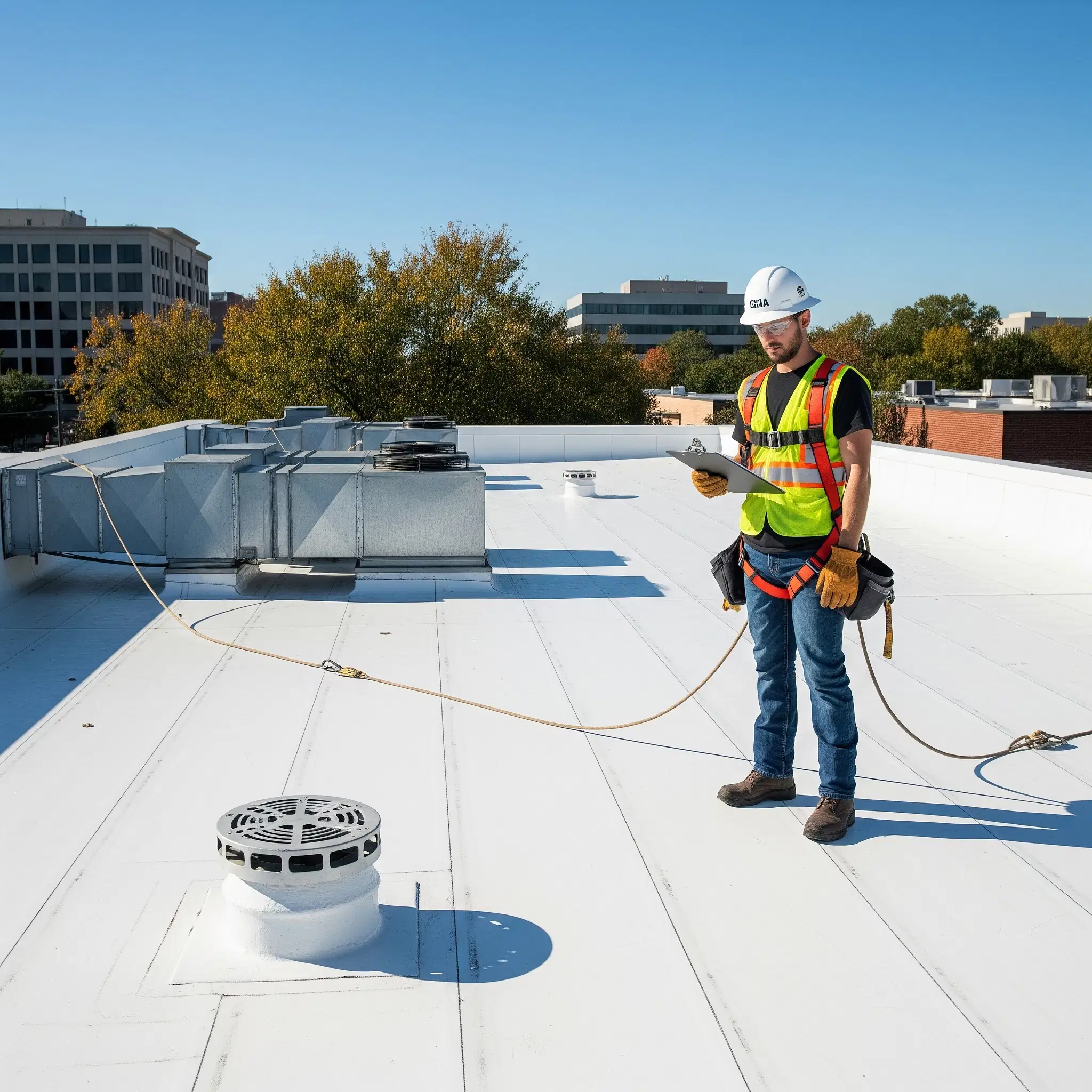
A thorough commercial roof inspection is the cornerstone of any effective maintenance program. It’s more than just a quick look; it’s a detailed assessment designed to catch potential problems before they escalate. At Burton Roofing & Siding, we leverage both hands-on expertise and modern technology, like drone inspections, to get a comprehensive and safe view of your entire roofing system.
Here’s what a detailed inspection should always cover:
- Membrane Surface: We meticulously examine the entire surface for signs of wear and tear. This includes looking for punctures, blisters, cracks, or open seams in materials like TPO and EPDM rubber.
- Seams and Flashings: The points where the roof membrane meets walls, curbs, vents, and HVAC units are the most vulnerable to leaks. We check all flashings and seams to ensure they are watertight and securely sealed.
- Drainage Systems: We ensure all gutters, scuppers, and internal drains are completely clear of debris and functioning correctly. Proper drainage is critical for preventing ponding water, one of the biggest threats to a flat roof.
- Ponding Water: We identify any areas where water stands for more than 48 hours after rainfall. This is a clear indicator of a drainage problem or a structural issue that needs immediate attention.
TPO vs. EPDM: Choosing the Right Material for Your Building
When it comes to flat roofing materials, two options stand out for their performance in our climate: TPO and EPDM. Understanding their differences can help you make an informed decision for your property.
TPO (Thermoplastic Olefin) roofing is a popular choice for modern commercial buildings. Its key benefits include:
- Energy Efficiency: TPO's typically white, reflective surface helps deflect the sun's UV rays, reducing cooling costs during hot summers—a trend known as 'cool roofing'.
- Durability: The seams of a TPO roof are heat-welded together, creating a bond that is incredibly strong and resistant to leaks.
- Puncture Resistance: It offers excellent resistance to punctures from foot traffic or falling debris.
EPDM (Ethylene Propylene Diene Monomer), often called rubber roofing, is a time-tested material known for its reliability:
- Proven Longevity: EPDM has a track record of lasting for decades, even in harsh weather conditions.
- Flexibility: It remains flexible in extreme temperatures, making it highly resistant to cracking during Ohio's brutal freeze-thaw cycles.
- Cost-Effectiveness: Generally, EPDM is one of the more affordable options for commercial roofing, offering great value over its long lifespan.
The best choice often depends on your specific building, budget, and long-term goals. A consultation with an experienced roofing professional can help clarify which system is the right fit for your investment.
Secure Your Business with a Proactive Maintenance Plan
Your commercial roof is too important to leave to chance. A small leak can disrupt your business, damage valuable assets, and lead to expensive, emergency repairs. A proactive maintenance plan is not a cost—it's a strategic investment in the continuity and protection of your business.
At Burton Roofing & Siding Company, we specialize in creating customized maintenance programs for commercial roofing systems throughout the Cleveland area. We understand the local challenges and have the expertise to keep your property protected. Don't wait for a problem to find you. Contact us today to schedule a comprehensive inspection and learn how we can help you preserve the life of your roof.