
How Cleveland's Freeze-Thaw Cycle Affects Shingle Longevity
If you have lived in Cleveland for any length of time, you know that our weather can be incredibly unpredictable. One day you are enjoying a mild, sunny afternoon, and the next, you are bracing for freezing temperatures and icy winds. This constant fluctuation isn't just tough on our wardrobes; it takes a significant toll on our homes. Specifically, the notorious Lake Erie weather patterns create a phenomenon known as the freeze-thaw cycle, which is one of the biggest threats to the lifespan of your roof.
For homeowners across The Land, understanding how these rapid temperature shifts impact roofing materials is crucial. Your roof is your home's first line of defense against the elements, and when it is compromised, the rest of your property is at risk. In this post, we will explore exactly how the freeze-thaw cycle affects your shingles, what warning signs to look for, and how you can protect your investment for years to come.
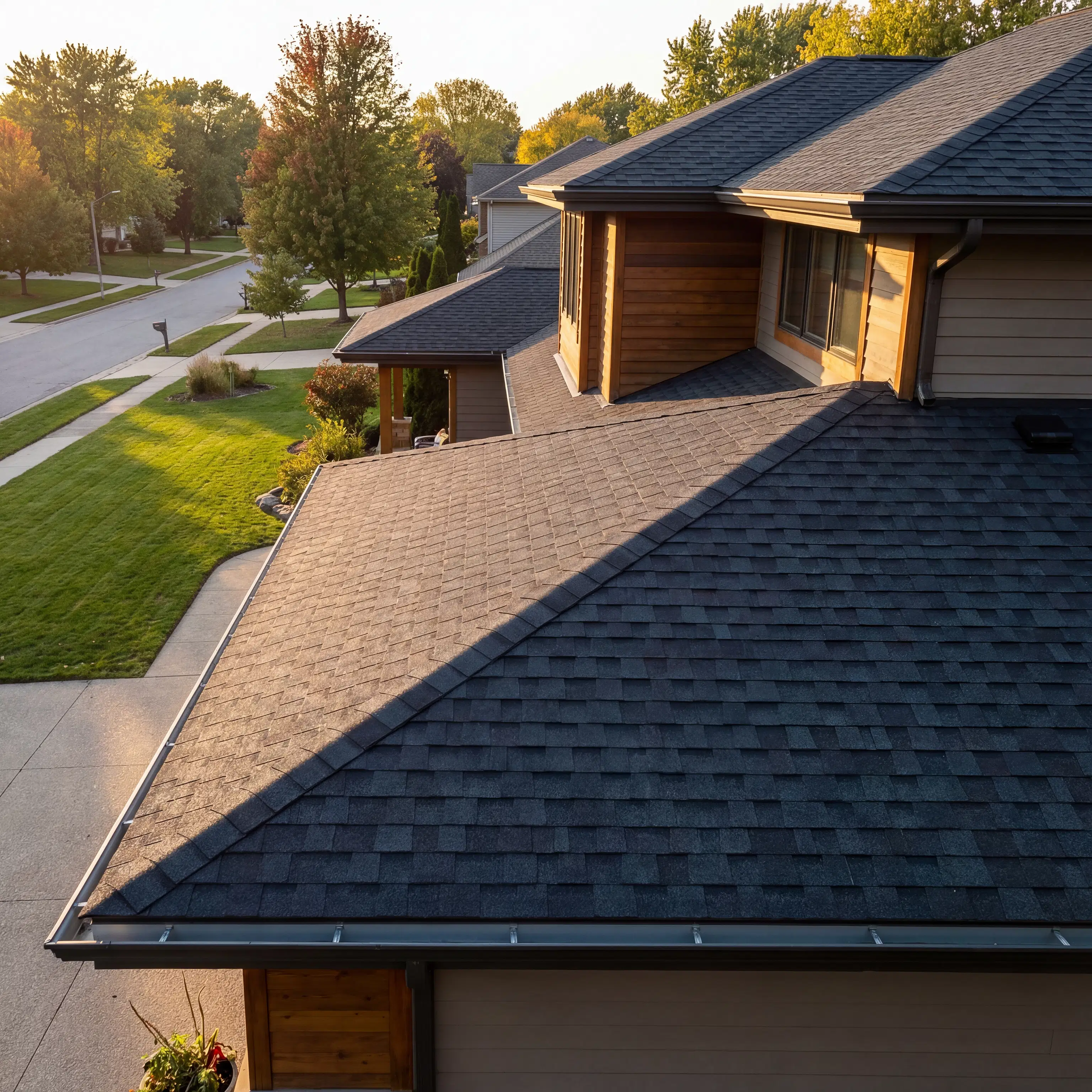
The Mechanics of the Freeze-Thaw Cycle
To understand why our local climate is so hard on roofs, we first need to look at the science behind the freeze-thaw cycle. Even the highest quality roofing materials have microscopic pores and tiny imperfections. When rain, melting snow, or condensation settles on your roof, moisture inevitably finds its way into these small spaces.
When the temperature drops below freezing, which is a frequent occurrence during our long winters, that trapped moisture turns into ice. As water freezes, it expands by about nine percent. This expansion exerts tremendous pressure on the surrounding materials. When the sun comes out and temperatures rise again, the ice melts, leaving behind slightly larger micro-cracks.
Over a single season, this cycle can repeat dozens of times. With each repetition, the cracks grow wider and deeper. For homeowners relying on standard asphalt roofing, this continuous expansion and contraction can significantly accelerate the aging process of the shingles, leading to premature wear and tear that might not be immediately visible from the ground.
How Lake-Effect Snow Compounds the Problem
The freeze-thaw cycle rarely works alone. In our region, it is frequently accompanied by heavy lake-effect snow, which introduces another major threat to your roof's longevity: ice dams.
An ice dam forms when heat escapes from your attic and melts the snow on the upper, warmer parts of your roof. This melted water flows down toward the eaves, which are typically colder because they extend beyond the heated exterior walls of your home. When the water reaches the cold eaves, it refreezes, creating a ridge of ice.
As more snow melts, the water backs up behind this ice dam. Because shingles are designed to shed water downward, they are not equipped to handle standing water that pools and pushes upward. This backed-up water can easily seep under the shingles, penetrating the roof deck and eventually leaking into your home's interior. The combination of expanding ice and pooling water is a recipe for severe structural damage and significantly shortens the life of your roof.
Spotting the Warning Signs on Your Roof
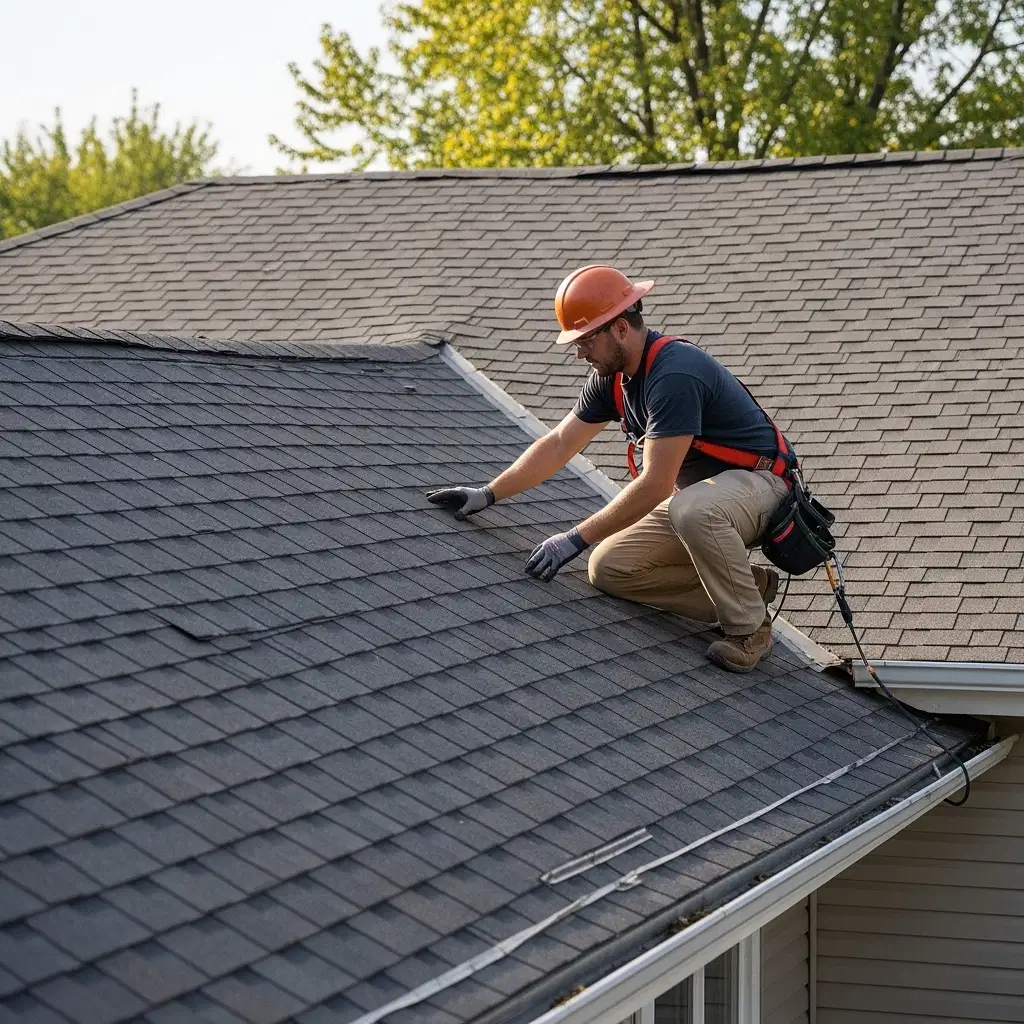
Because the damage caused by freezing and thawing happens gradually, it is important to know what to look for before a minor issue becomes a major leak. One of the most common signs of weather-related damage is granule loss. The rough, sand-like granules on your shingles protect the underlying asphalt from UV rays and add weight to keep the shingles flat. If you notice an accumulation of these granules in your gutters or at the base of your downspouts, your shingles may be deteriorating.
Another red flag is cracking or curling shingles. As the freeze-thaw cycle forces the materials to expand and contract, the shingles can become brittle and lose their flexibility. You might see the edges curling upward or notice visible splits down the center of the shingles.
If you spot any of these issues, it is highly recommended to schedule professional roof inspections. Having an expert evaluate your roof can help you determine whether you need minor maintenance or if the winter weather has compromised the system enough to warrant a full replacement.
Proactive Steps to Extend Your Roof's Lifespan
While we cannot control the weather, there are several proactive steps you can take to mitigate the effects of the freeze-thaw cycle. Proper attic ventilation and insulation are critical. By keeping your attic temperature closer to the outside temperature, you can prevent the uneven melting that leads to ice dams. Additionally, ensuring that your roof is equipped with a high-quality ice and water shield along the eaves and valleys provides a crucial secondary barrier against moisture intrusion.
When the time comes that repairs are no longer sufficient, investing in high-quality materials and expert installation is your best defense. At Burton Roofing & Siding Company, we pride ourselves on delivering exceptional value through high-quality workmanship provided by our experienced Amish crews. We believe in transparent, fair pricing, so you always know exactly what you are getting without any hidden surprises.
Whether you live on the East Side or the West Side, your home deserves a roof built to withstand the toughest Cuyahoga winters. If you are concerned about how the recent seasons have affected your home, or if you are considering re-roofs to upgrade your property's defense, we are here to help. Contact Burton Roofing & Siding Company today to schedule a comprehensive evaluation and ensure your home is protected for years to come.