
A Clevelander's Guide to Preventing Ice Dams This Winter
As any Clevelander knows, winter here is no joke. The beauty of a fresh blanket of snow can quickly be overshadowed by the worry of what's happening on your roof. One of the most common and destructive winter problems we see are ice dams—thick ridges of ice that form at the edge of a roof, preventing melting snow from draining. This backed-up water can then seep under your shingles, causing serious damage to your roof, insulation, and even the interior of your home.
Especially for those of us living in the Snow Belt, where lake effect snow is a way of life, understanding how to prevent ice dams is crucial for protecting your biggest investment. The good news is that with a proactive approach, you can keep your home safe and dry all winter long. This guide will walk you through what causes ice dams and, more importantly, the long-term solutions to prevent them from ever forming. At Burton Roofing & Siding Company, we believe in empowering homeowners with the knowledge to maintain a healthy, durable roof.
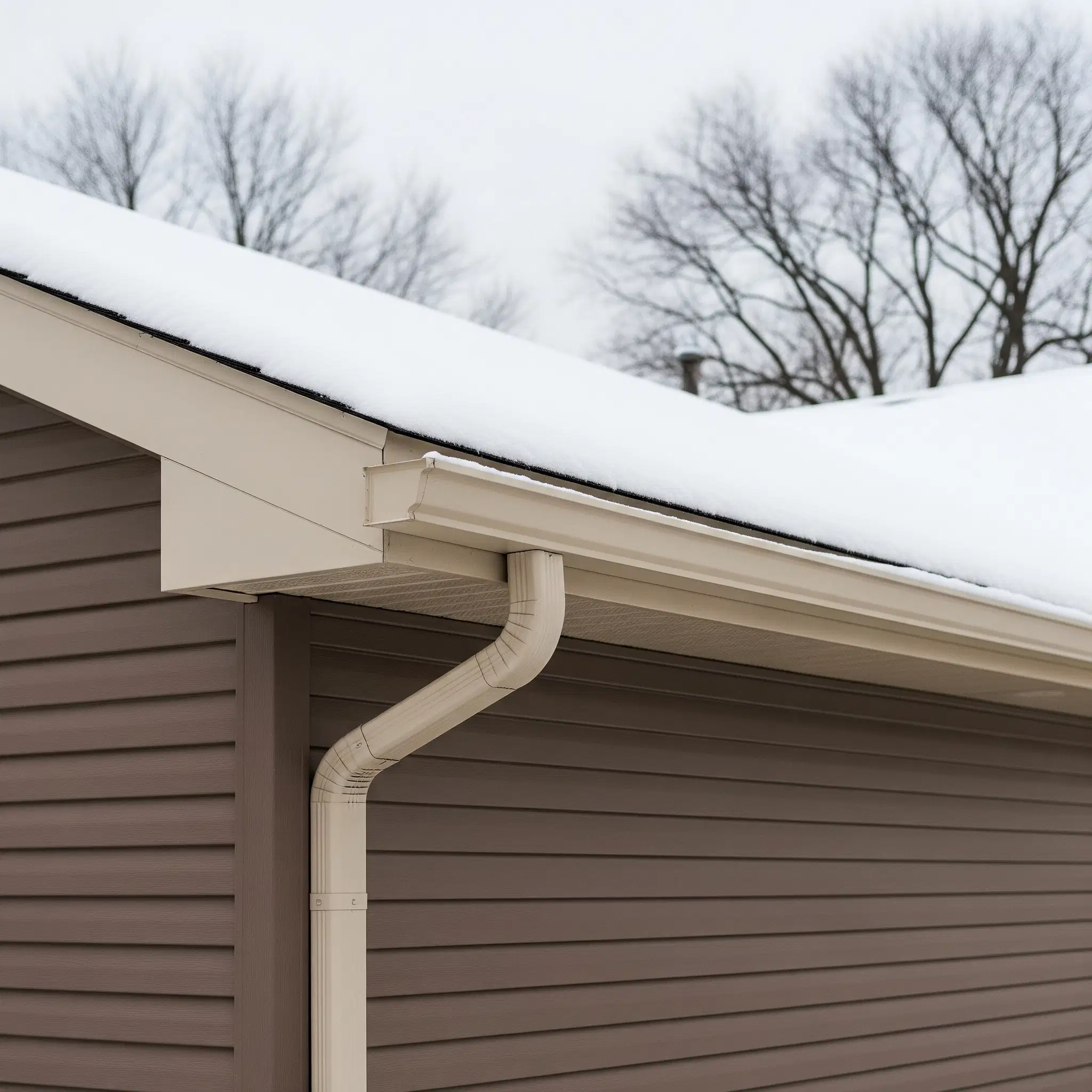
What Really Causes Ice Dams?
Many people think ice dams are caused by clogged gutters or too much snow. While these can be contributing factors, the root cause is actually a temperature imbalance on your roof's surface. It’s a simple chain reaction that leads to a complex problem:
- Heat Escapes: Warm air from your heated living space escapes into your attic.
- Snow Melts: This heat warms the underside of your roof deck, causing the snow on top of the roof to melt, even when the outside temperature is below freezing.
- Water Refreezes: The melted snow (water) runs down your roof until it reaches the cold eaves and gutters, which are not warmed by the attic heat. Here, the water refreezes, creating a small ridge of ice.
- The Dam Grows: As this cycle continues, the ridge of ice grows larger, forming a dam. Water pools behind it, unable to drain properly.
- Water Intrusion: This standing water has nowhere to go but up and under the shingles, leading to leaks that can damage your roof sheathing, attic insulation, and interior ceilings and walls.
Ignoring this issue can lead to costly repairs, mold growth, and reduced insulation effectiveness. Understanding this process is the first step toward a permanent solution.
The Three Pillars of Effective Ice Dam Prevention
Preventing ice dams isn't about a quick fix; it's about creating a balanced roofing system that works together to keep your roof uniformly cold. This strategy is built on three essential components: insulation, ventilation, and air sealing.
1. Proper Attic Insulation
Your attic insulation's primary job is to keep the warm, conditioned air inside your living space where it belongs. When insulation is inadequate or poorly installed, heat rises into the attic, kicking off the melting-and-freezing cycle. A well-insulated attic floor acts as a thermal barrier, keeping the attic space cold and preventing the roof deck from warming up. This not only helps prevent ice dams but also significantly improves your home's energy efficiency, which can lower your heating bills—a welcome benefit during our cold Ohio winters.
2. Adequate Roof Ventilation
A common misconception is that you want a warm attic in the winter. In reality, the goal is an attic that is the same temperature as the outside air. A proper ventilation system continuously circulates cold, dry air throughout the attic. This is typically achieved with a combination of soffit vents (intake) under the eaves and ridge vents (exhaust) at the peak of the roof. This airflow ensures that any small amount of heat that does enter the attic is whisked away before it can warm the roof deck and melt snow. A well-ventilated roof is a cold roof, and a cold roof is your best defense against ice dams.
3. Comprehensive Air Sealing
Before you even think about adding more insulation, it's critical to address air leaks. Heat doesn't just move through materials; it flows through any available gap. These gaps, often called "attic bypasses," are common around light fixtures, plumbing stacks, chimneys, attic hatches, and wiring. Sealing these leaks with caulk, foam, or other appropriate materials is one of the most cost-effective ways to stop heat from reaching your attic. This crucial step ensures your insulation and ventilation can perform as intended.
Already Have an Ice Dam? Here’s What to Do
If you already see a massive wall of ice along your eaves, it's important to act carefully. While it may be tempting to grab a hammer or shovel, trying to chip away the ice yourself can easily damage your shingles and gutters, leading to an even more expensive roof repair. Likewise, using rock salt or chemical de-icers can corrode your gutters and downspouts and harm the landscaping below.
The safest and most effective way to remove a severe ice dam is to hire a professional who uses specialized steaming equipment to melt the ice without damaging your roof. However, remember that removal is only a temporary solution. Without addressing the underlying issues of heat loss, the ice dams will return with the next heavy snowfall.
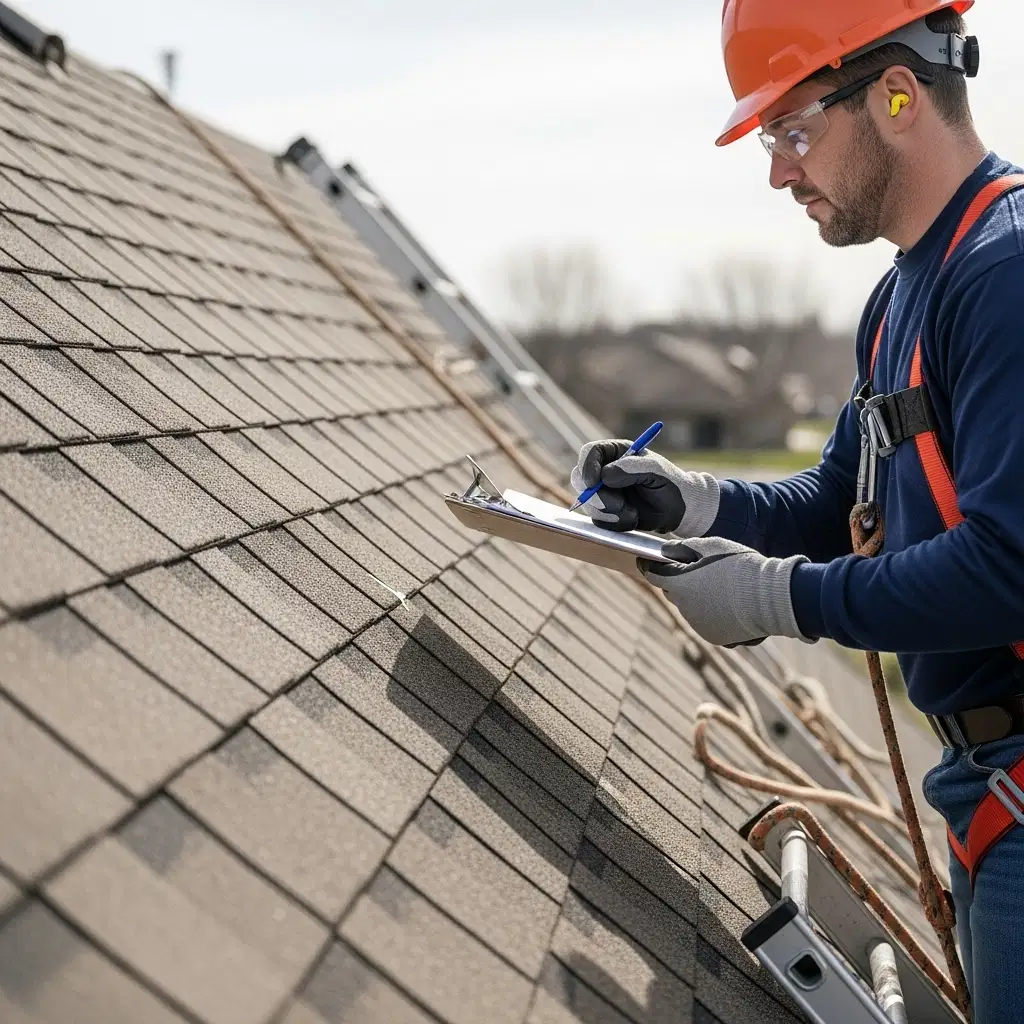
This is why a proactive approach is so important. A professional roof inspection can identify vulnerabilities in your attic's insulation and ventilation system before they become a winter emergency. A trained expert can assess your current setup and recommend the right steps to protect your home for the long term. This is a core part of our comprehensive residential roofing services.
Protect Your Home with a Year-Round Strategy
Ice dams are a clear sign that your home's roofing system isn't performing correctly. While they are a winter problem, the solution lies in year-round preparedness and proper roof maintenance. By ensuring your home has a balanced system of robust insulation, effective ventilation, and thorough air sealing, you can prevent ice dams before they start, protecting your home's structure and your peace of mind.
Don't wait for water stains to appear on your ceiling. If you're concerned about your roof's ability to handle another tough Cleveland winter, contact the trusted local experts at Burton Roofing & Siding Company. We provide thorough inspections and high-quality solutions to keep your home safe and damage-free. Schedule your consultation today and let us help you prepare for whatever the season brings.