
A Clevelander's Guide to Preventing Ice Dams from Lake Effect Snow
As any Clevelander knows, winter here is a unique experience. The beauty of a landscape blanketed by fresh lake effect snow is undeniable, but it also brings specific challenges for homeowners. One of the most destructive winter threats to your home is the ice dam. These thick ridges of ice at the edge of your roof can cause serious damage that goes far beyond a few broken icicles. At Burton Roofing & Siding Company, we've seen firsthand the problems they can create for homes across The Land. This guide will walk you through what causes ice dams, how to spot them, and the most effective ways to protect your most valuable asset from our tough North Coast winters.
What is an Ice Dam, and Why Should You Care?
An ice dam is more than just a line of icicles. It’s a sign of an underlying issue with your home's heat management. The problem starts when heat escapes from your living space into the attic, warming the underside of your roof. This warmth melts the snow on the upper parts of your roof, and the resulting water flows down toward the colder eaves and gutters. When this water hits the freezing-cold edge of the roof, it refreezes, creating a blockage—an ice dam.
Once the dam forms, any additional melting snow has nowhere to go. The water pools behind the ice and can seep back up under your shingles, which are designed to shed water, not to be submerged in it. This backed-up water can then leak into your attic, soaking insulation, rotting the roof deck, and eventually causing water stains and damage to your interior ceilings and walls. Ignoring an ice dam can lead to costly structural repairs and potential mold growth, turning a winter wonderland into a homeowner's nightmare. Understanding this process is the first step toward effective prevention.
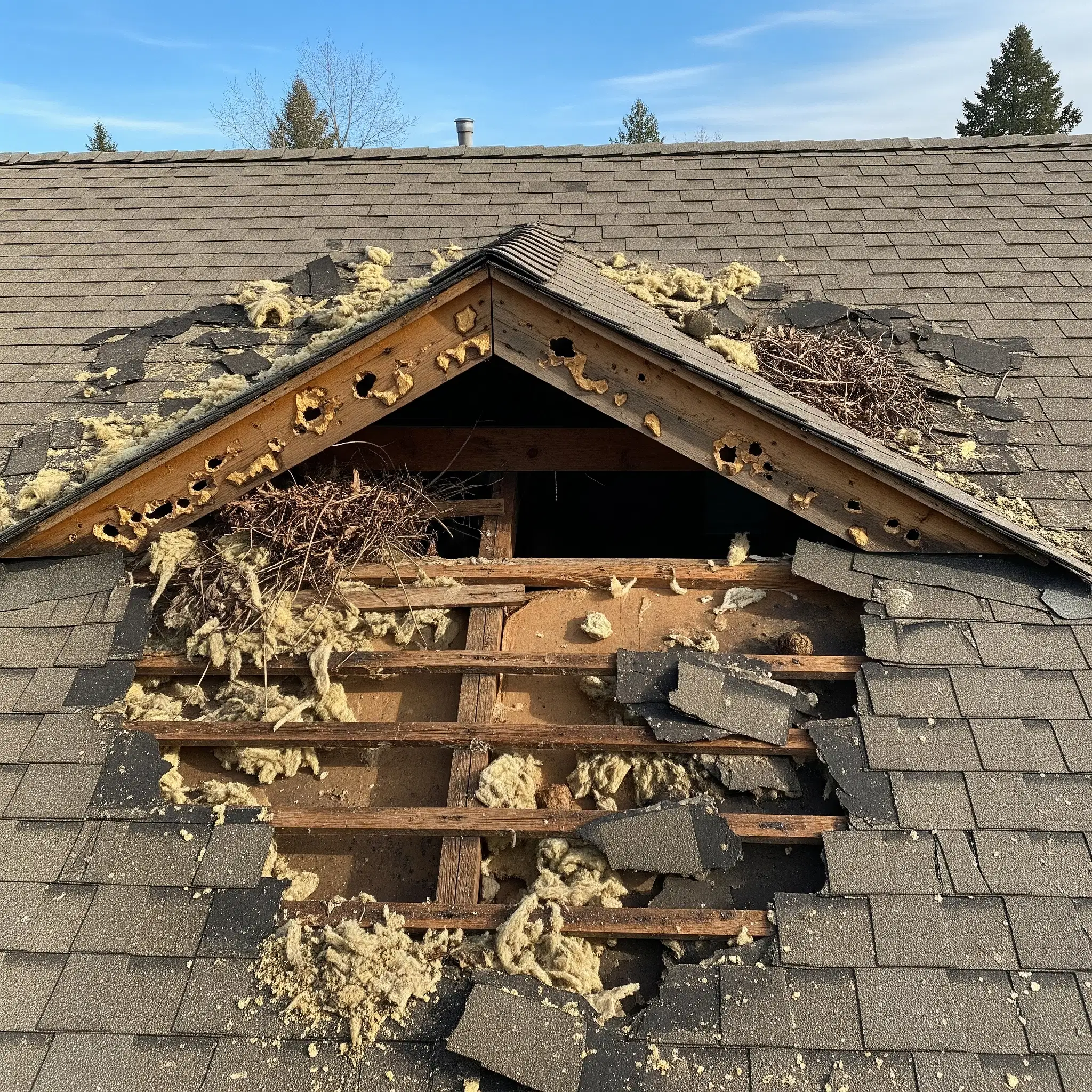
Early Warning Signs: How to Spot an Impending Ice Dam
Being proactive is key to avoiding major damage. You don't have to be a roofing expert to spot the tell-tale signs of a developing ice dam. Keep an eye out for these indicators, especially after a heavy snowfall:
- An Abundance of Large Icicles: While some icicles are normal, a heavy, thick curtain of them hanging from your gutters or the edge of your roof is a major red flag. This indicates that a significant amount of water is melting and refreezing at the eaves.
- Visible Ice on the Eaves: Look for a thick band of solid ice built up along the lower edge of your roof. This is the dam itself.
- Snow Melting Unevenly: If you notice the snow on the upper part of your roof is melted while the lower edges are still covered and frozen, it's a clear sign of heat loss from your attic.
- Water Stains Inside: The most serious sign is evidence of a leak. Check your ceilings and walls, particularly near exterior walls and in the corners of rooms on the top floor. Any discoloration or dampness means water has already penetrated your home's defenses.
If you see any of these signs, it's crucial to act. The safest and most effective way to understand the severity of the problem is with a professional roof inspection. An expert can assess the situation without causing further damage to your roof or risking personal injury.
The Best Defense: Long-Term Prevention Strategies
While removing an existing ice dam is sometimes necessary, the best strategy is to prevent them from forming in the first place. The ultimate goal is to keep your entire roof the same temperature as the outside air. Here are the most effective long-term solutions:
-
Seal Air Leaks: The first step is to prevent warm air from your living space from reaching the attic. This involves sealing gaps around light fixtures, plumbing vents, attic hatches, and any other penetrations between the heated part of your house and the unheated attic.
-
Add Insulation: A thick, even layer of insulation on the attic floor is your primary defense. This keeps the heat where it belongs—in your home—and prevents it from warming the underside of your roof. This not only prevents ice dams but also significantly lowers your energy bills.
-
Ensure Proper Ventilation: A well-ventilated attic allows cold outside air to circulate, carrying away any heat that does escape and keeping the roof deck cold. This typically involves a system of soffit vents (at the eaves) and ridge or gable vents (near the peak) to create continuous airflow.
These three elements work together to create a cold roof system, which is the most reliable way to prevent ice dams. Investing in a proper roof maintenance plan can help identify and address issues with insulation or ventilation before the heavy snow arrives.
When Damage is Done: Repairing and Moving Forward
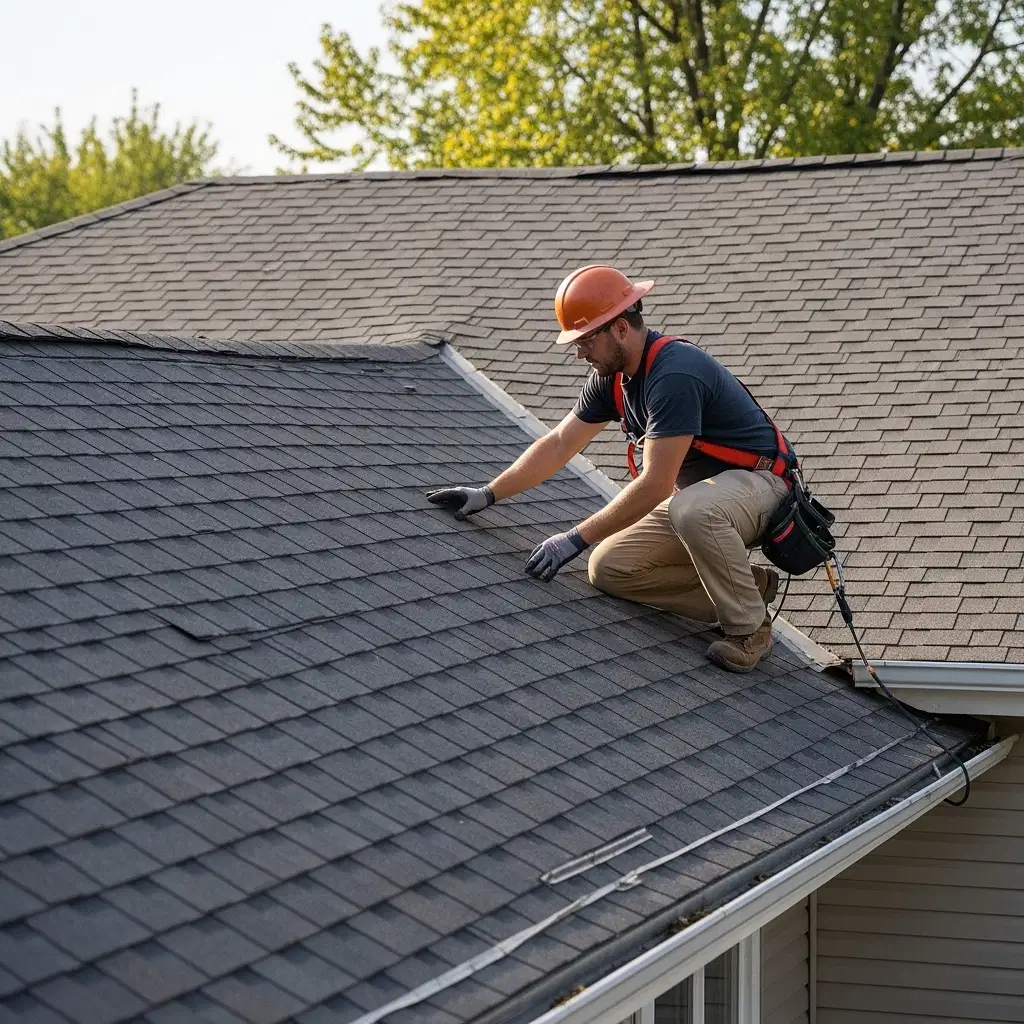
If an ice dam has already formed and caused a leak, it's time to call in the professionals. Attempting to chip or melt the ice away yourself can easily damage your shingles and gutters, leading to even more expensive repairs. A professional has the tools and expertise to safely remove the ice and snow without harming your roof.
Once the immediate threat is gone, the underlying damage must be addressed. This may involve a targeted roof repair to replace water-damaged shingles, flashing, and underlayment. Inside the home, drywall and insulation may need to be replaced to prevent mold. If your roof is older or the damage is widespread, this might be the time to consider if a full replacement is a more cost-effective long-term solution. A new, properly installed residential roofing system, complete with modern ventilation and underlayment, is the ultimate protection against future ice dams.
Protect Your Home This Winter with Burton Roofing & Siding
Don't let our famous lake effect snow compromise the integrity of your home. Understanding the causes of ice dams and taking preventative measures is the best way to ensure a safe and worry-free winter. By focusing on insulation, ventilation, and regular maintenance, you can protect your roof for years to come.
If you're concerned about your roof's ability to handle a Cleveland winter, or if you've already spotted signs of an ice dam, don't wait for the problem to get worse. Contact Burton Roofing & Siding Company today for a professional inspection. Our team is ready to help with everything from expert repairs and maintenance to a complete, high-quality roof replacement.